Your Canadian Education
Journey Begins Now

Explore top universities, vibrant cities, and
post-study work opportunities.

About Canada

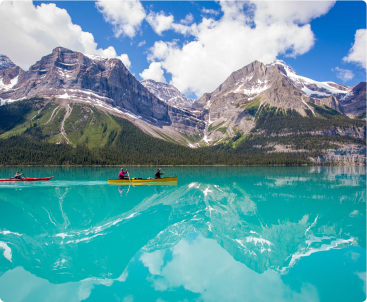
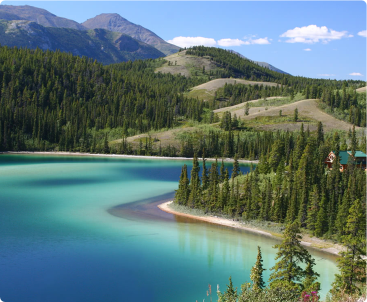
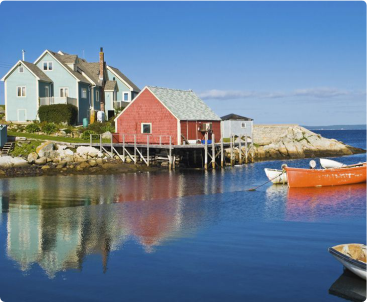
Canada, often called the land of three oceans—the Atlantic, Pacific, and Arctic—is the second-largest country in the world and is admired for its natural beauty, multicultural society, and high quality of life. Known for its safe environment and welcoming culture, Canada offers a perfect balance of scenic landscapes and modern urban living.

Located in northern North America, Canada shares its southern border with the United States and features diverse climates and regions, from vibrant cities to peaceful natural surroundings. The country is a leading study destination, offering globally recognized degrees, advanced research facilities, and practical, career-focused education. With top-ranked universities, affordable tuition options, generous scholarships, and Post-Graduation Work Permit (PGWP) opportunities, Canada provides excellent academic and career pathways. Free or subsidized healthcare, strong student support services, and well-established international communities make Canada an ideal and supportive destination for students pursuing higher education abroad.

About Canada

Canada, often called the land of three oceans—the Atlantic, Pacific, and Arctic—is the second-largest country in the world and is admired for its natural beauty, multicultural society, and high quality of life. Known for its safe environment and welcoming culture, Canada offers a perfect balance of scenic landscapes and modern urban living.

Located in northern North America, Canada shares its southern border with the United States and features diverse climates and regions, from vibrant cities to peaceful natural surroundings. The country is a leading study destination, offering globally recognized degrees, advanced research facilities, and practical, career-focused education. With top-ranked universities, affordable tuition options, generous scholarships, and Post-Graduation Work Permit (PGWP) opportunities, Canada provides excellent academic and career pathways. Free or subsidized healthcare, strong student support services, and well-established international communities make Canada an ideal and supportive destination for students pursuing higher education abroad.

Why is Canada an ideal study abroad destination ?

Top Universities In Canada

University of Windsor

Griffith University

Ontario Tech University

University of Guelph

Griffith College

Canada Tuition fees

Courses Minimum annual Maximum annual
Bachelor $ 19,000 $ 27,000
Master $ 22,000 $ 34,000
Diploma $ 13,000 $ 19,000
Ph.D $ 9,000 $ 20,000
Intakes September, January, May

Get Started on Your Journey to Study in Canada!

Ready to shape your future in one of the world’s top study destinations? Connect with our expert team today for personalized guidance on the right programs, universities, and scholarships.
Start your application now — your Canadian education journey begins here!

Supportive Student Services

Cost of living

Accommodation

CAD 600 - CAD 1,500

Food

CAD 50 - CAD 400

Internet and Phone

CAD 30 - CAD 60

Transportation

CAD 80 - CAD 150

Miscellaneous

CAD 100 - CAD 300

Utilities

CAD 100 - CAD 150

Health Insurance

CAD 50 - CAD 100

Estimated Total Cost

CAD 1200 - 2,500

Top Universities

Major local banks in Canada

Royal Bank of Canada

Toronto-Dominion Bank

Bank of Montreal (BMO)

Scotiabank

Canadian Imperial Bank of Commerce (CIBC)

HSBC Bank Canada

Mobile Network Operator

Province

Ontario
Quebec
Manitoba
Saskatchewan
Alberta
British Columbia
Yukon
Nova Scotia
New Brunswick

FAQ

  • What is a DLI?

    A Designated Learning Institution (DLI) is a school approved by a Canadian provincial or territorial government to host international students. Only students who get accepted into a DLI are eligible for a Canadian study permit. Always verify the DLI number before applying.


  • Are students allowed to travel to another province during term breaks?

    Yes, international students in Canada can travel freely within provinces during scheduled term breaks or holidays. However, it’s essential to:

    • Keep your study permit and passport with you

    • Ensure travel doesn’t conflict with your classes or exams

    • Check any travel or public health advisories (seasonal or provincial)

  • How many hours can a student work being on a study permit?

    As of recent updates:

    1. During semesters: Students can work up to 20 hours per week (off-campus)

    2. During scheduled breaks (like summer or winter): Students can work full-time (40 hours per week)
      Note: IRCC has temporarily lifted this cap in some cases – always check for current policy changes.

  • How many years of gap is accepted for studying in Canada?

    Generally:

    1. For undergraduate programs: Up to 2–3 years of gap is acceptable

    2. For postgraduate or diploma programs: Up to 5–10 years gap may be accepted if justified with work experience, certifications, or valid reasons
      Always support your gap with documentation like job letters, courses, or medical certificates.

  • Can I study free of cost in Canada?

    Studying for free in Canada is rare but possible through scholarships and funding:

    1. Apply for fully funded scholarships (e.g., Vanier Canada Graduate Scholarships, Trudeau Foundation)

    2. Some universities offer entrance-based or need-based scholarships

    3. Graduate students can apply for assistantships
      However, most international students need to bear partial or full costs.

  • Can I stay in Canada after my studies?

    Yes. After completing your program at a DLI, you can apply for:

    1. Post-Graduation Work Permit (PGWP)Valid for up to 3 years depending on the program length

    2. Gain Canadian work experience and later apply for Permanent Residency (PR) via:

    − Express Entry (CEC Stream)

    − Provincial Nominee Program (PNP)

    − Quebec Experience Program (PEQ)