





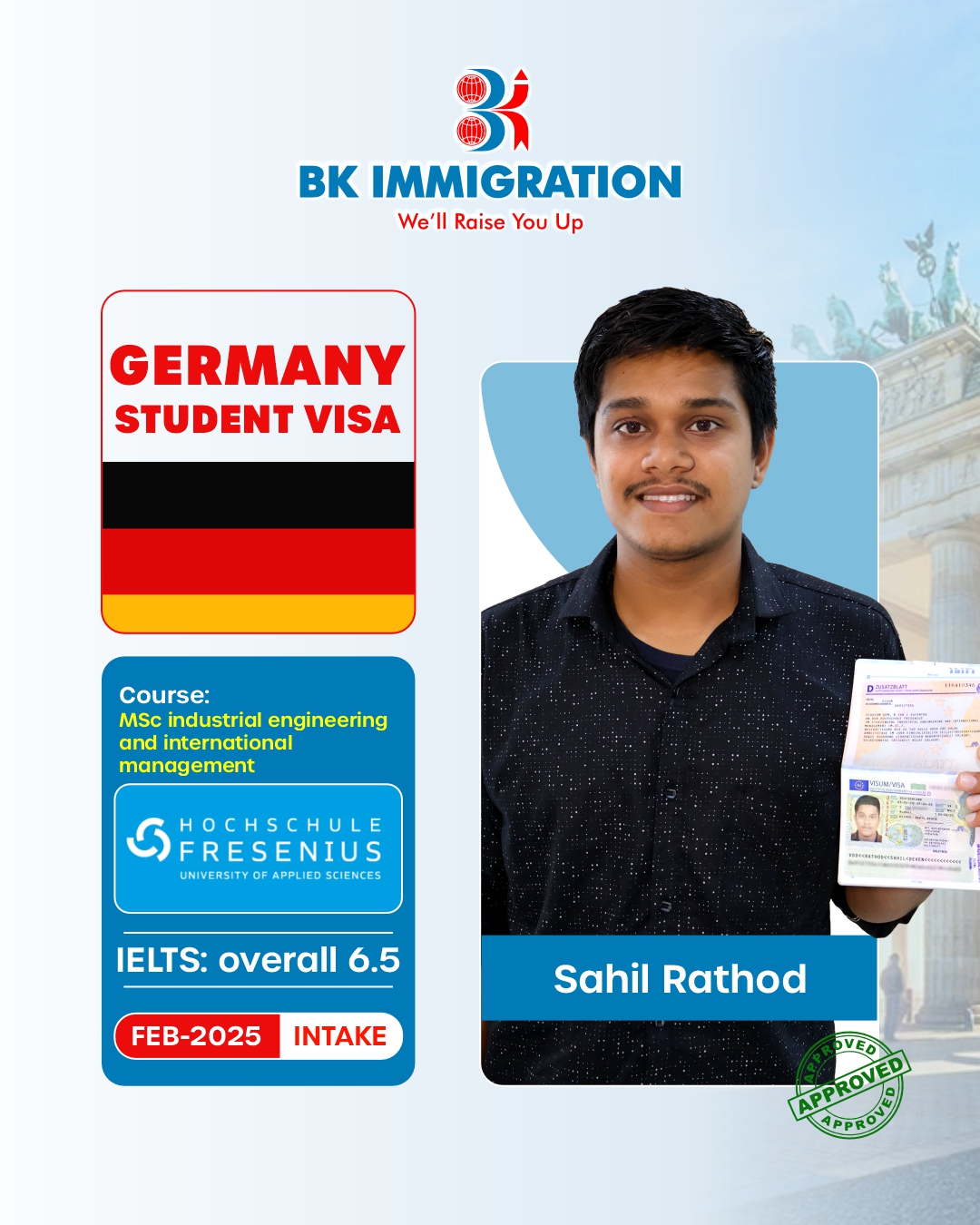
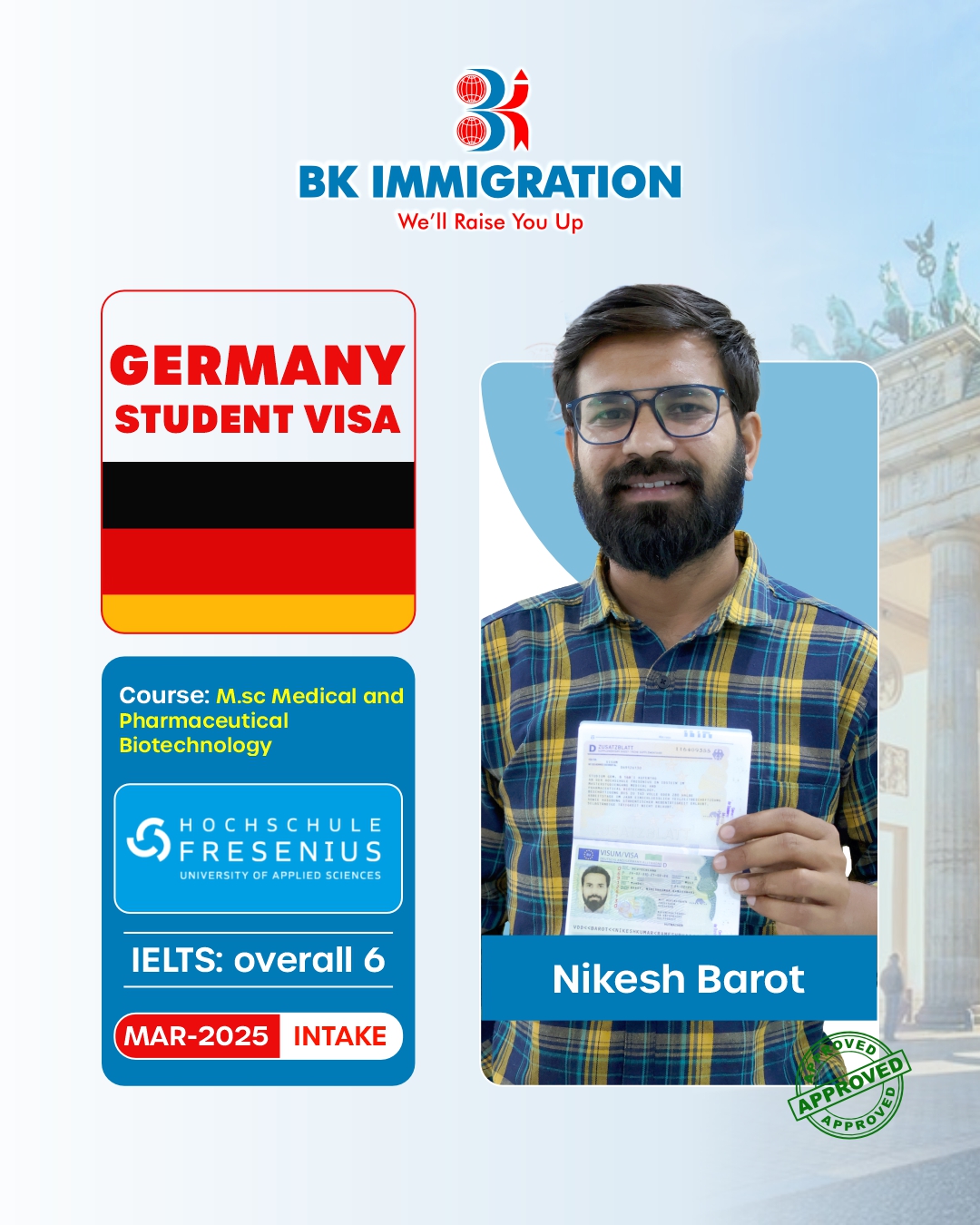
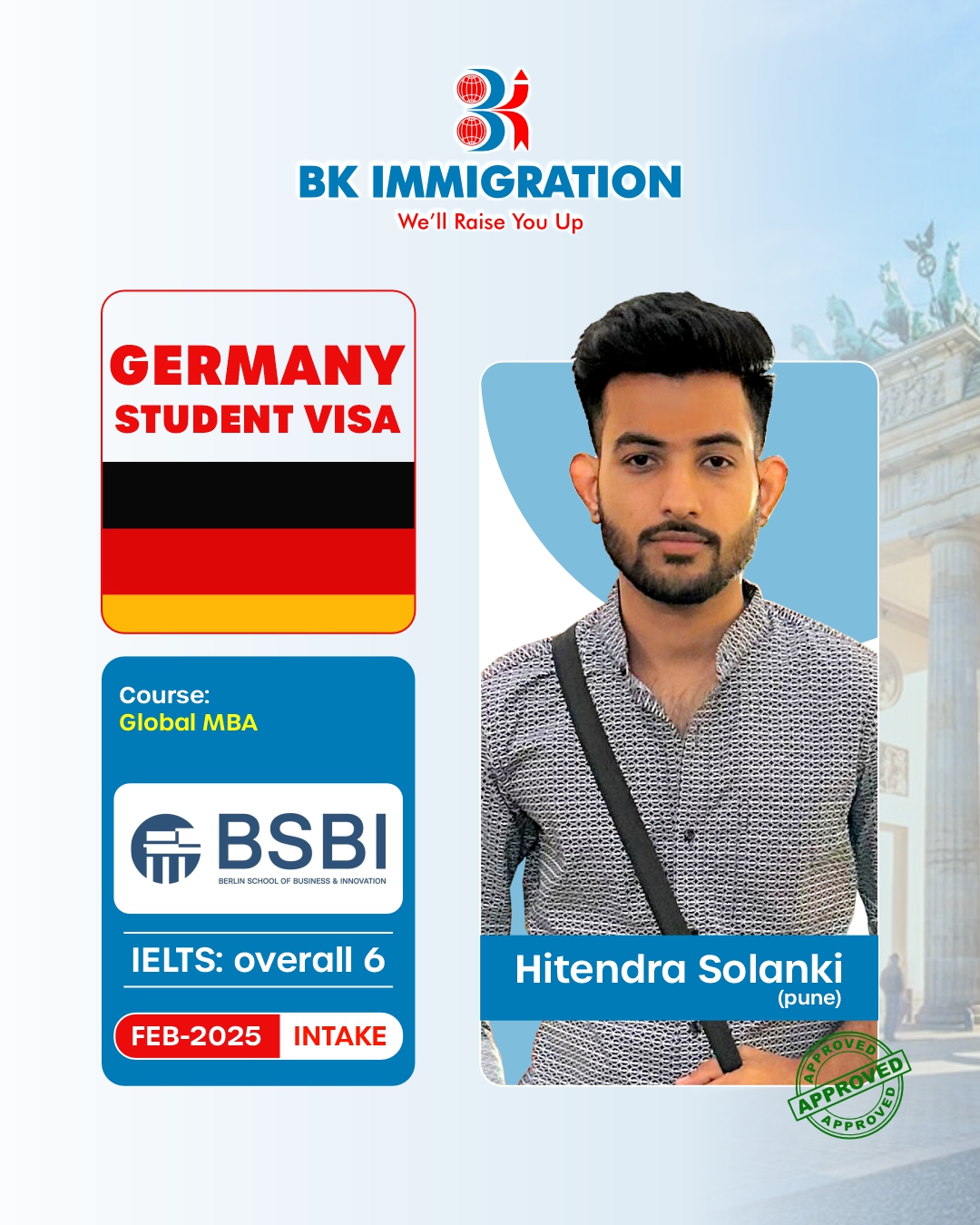
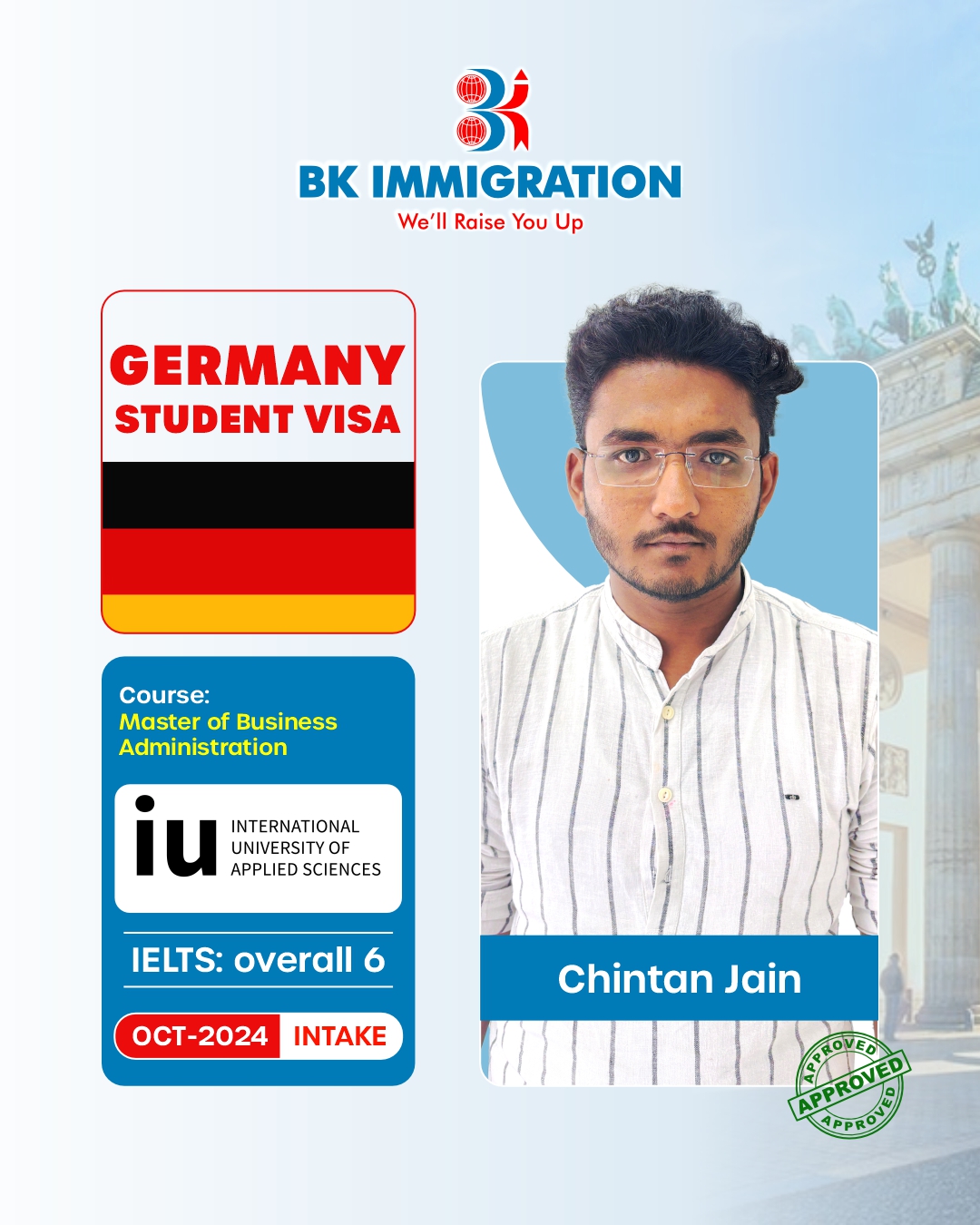

























Ready to Study in Germany?
Let’s Get Started!

Book your free consultation now and take the first step
toward a global career.

About Germany

Germany is a global hub of innovation, engineering excellence, and precision manufacturing, widely recognized for industry leaders such as BMW, Mercedes-Benz, Volkswagen, and Siemens. With one of Europe’s strongest economies and a global reputation for high-quality education, Germany attracts students, researchers, and professionals from across the world. The country offers a strong academic foundation combined with advanced technology and practical learning, especially in fields like engineering, information technology, automotive studies, and business. German universities emphasize research-driven education, industry collaboration, and real-world application, preparing students for competitive global careers.

Located in the heart of Europe, Germany shares borders with nine countries, including France, Switzerland, Austria, Poland, and Denmark, making it a centrally connected study destination. Its rich cultural heritage, modern cities, excellent infrastructure, and high standard of living further enhance Germany’s appeal as an ideal destination for international learners.

About Germany

Germany is a global hub of innovation, engineering excellence, and precision manufacturing, widely recognized for industry leaders such as BMW, Mercedes-Benz, Volkswagen, and Siemens. With one of Europe’s strongest economies and a global reputation for high-quality education, Germany attracts students, researchers, and professionals from across the world. The country offers a strong academic foundation combined with advanced technology and practical learning, especially in fields like engineering, information technology, automotive studies, and business. German universities emphasize research-driven education, industry collaboration, and real-world application, preparing students for competitive global careers.

Located in the heart of Europe, Germany shares borders with nine countries, including France, Switzerland, Austria, Poland, and Denmark, making it a centrally connected study destination. Its rich cultural heritage, modern cities, excellent infrastructure, and high standard of living further enhance Germany’s appeal as an ideal destination for international learners.

Why Choose Germany for Higher Education?

Popular universities In Germany

Germany Tuition fees

CoursesMinimum annualMaximum annual
Bachelor€ 5,000€ 11,000
Master€ 6,500€ 20,000
Diploma€ 3,000€ 20,000
Ph.D€ 3,000€ 20,000

Intakes: September / October 

Take the Next Step in Your Education Journey

Ready to study in Germany? Discover top-tier universities, affordable living costs, and a wide range of scholarship opportunities. Contact us today to kickstart your application and unlock a future of global success!


Supportive Student Services in Germany

Cost of living

Accommodation

€250 – €800

Food

€150 – €250

Educational Materials

€20 – €50

Transportation

€30 – €100

Personal Expenses

€50 – €150

Utilities

€50 – €150

Health Insurance

€110 – €120

Estimated Total Cost

€700 – €1,200

Weather

Top Universities

Major local banks in Germany

Deutsche Bank

Commerzbank

Volksbank (People's Bank)

Sparkasse

N26

DKB (Deutsche Kreditbank)

Postbank

Targobank

Mobile Network Operator

Province

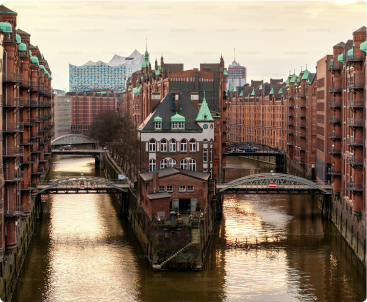
Hamburg
Berlin
Cologne

FAQ

  • When should I apply to study in Germany?

    Germany has two major intakes:

    1. Winter Semester (starts in Sept/Oct): Apply between May to July

    2. Summer Semester (starts in March/April): Apply between November to January
      Early preparation is advised to meet deadlines, secure accommodation, and complete visa formalities.

  • Do I need to know German to study in Germany?

    Not necessarily. Many programs are offered in English, especially at the postgraduate level. However, basic German proficiency (A1–B1) is helpful for daily life and part-time jobs. Some programs in public universities may require TestDaF or DSH if taught in German.

  • Can I study in Germany for free?

    Yes! Public universities in Germany charge no tuition fees for most undergraduate and many postgraduate programs, even for international students. You only pay a semester contribution (usually €200–€350), which often includes a transport pass.

  • What are the entry requirements to study in Germany?
    1. Bachelor’s: A recognized 12+1 year of study (like a foundation course or 1st year of Indian university), language proficiency, and academic records

    2. Master’s: Relevant bachelor’s degree, IELTS/TOEFL, possibly GRE/GMAT depending on course
      Some technical universities may require a Uni-Assist evaluation.

  • Can I work part-time during my studies?

    Yes. International students can work:

    1. 120 full days or 240 half days per year
      Part-time jobs are allowed, and many students work in cafes, retail, or university research roles.

  • Is a blocked account mandatory?

    Yes. To get a student visa, you must show proof of financial resources via a blocked account with approx. 11,208/year (~€934/month) to cover your living expenses in Germany.

  • Can I stay in Germany after graduation?

    Yes. Germany offers an 18-month post-study work visa to find a job related to your field. Once employed, you can apply for:

    1. EU Blue Card

    2. Permanent Residency (after 33 months or sooner if you know German well)

  • What is the academic calendar in Germany?
    1. Winter Semester: October to March

    2. Summer Semester: April to September
      Each semester includes lectures, exams, and short breaks.

  • Can I transfer from another university to a German university?

    Yes, if your credits and institution are recognized. You’ll need:

    1. Official transcripts

    2. Course descriptions

    3. University approval
      Placement into a specific semester depends on a credit evaluation.

  • Do German universities offer scholarships for international students?

    Yes. While tuition is mostly free, scholarships like DAAD, Erasmus+, or university-specific awards help with living expenses, research funding, or travel grants.